
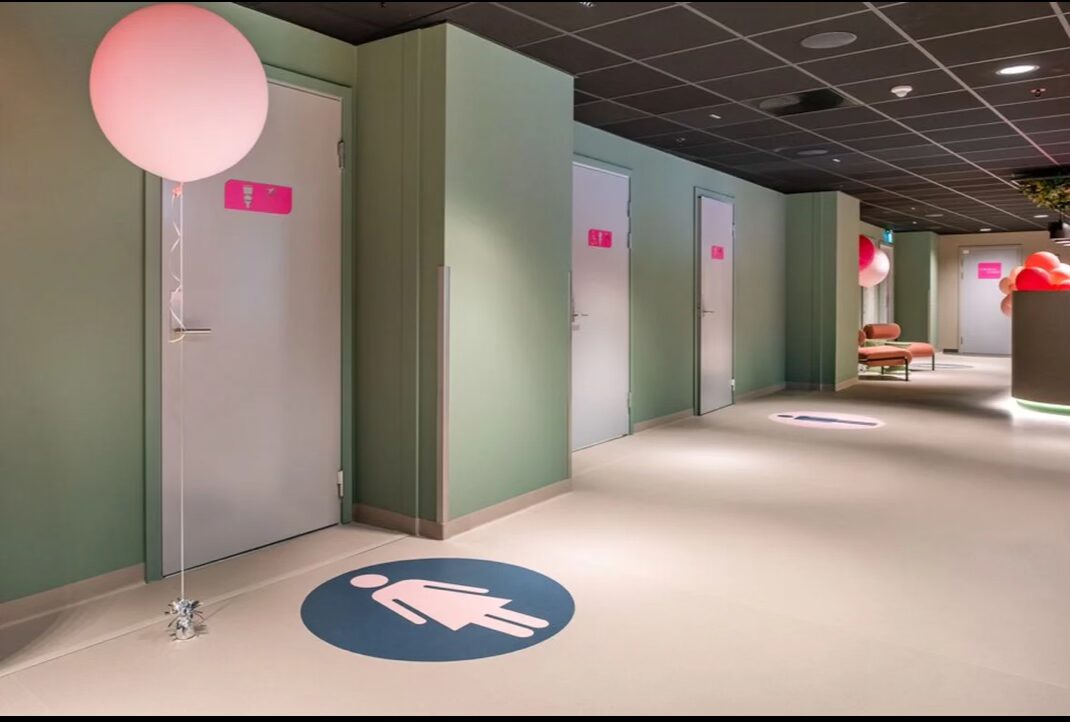
Large buildings such as schools, universities, malls, hospitals, and corporate offices depend on clear navigation systems to help visitors move easily and safely. Wayfinding is no longer limited to signboards; flooring has become an essential tool in guiding people intuitively through complex spaces. Vinyl flooring, with its design flexibility and durability, has emerged as a powerful medium for visual communication and directional guidance.
Vinyl flooring can be customized with colors, patterns, arrows, borders, and zoning visuals that help divide large spaces into easy-to-understand sections. In educational facilities, for example, different vinyl colors can identify classroom corridors, laboratories, administrative wings, and recreational areas. This helps students—especially young children—navigate the school independently and safely.
In commercial environments such as malls and shopping centers, vinyl wayfinding systems guide customers to major zones including restrooms, food courts, emergency exits, and parking connections. Unlike traditional signs that people may overlook, floor-based cues are always visible and naturally capture attention as visitors walk.
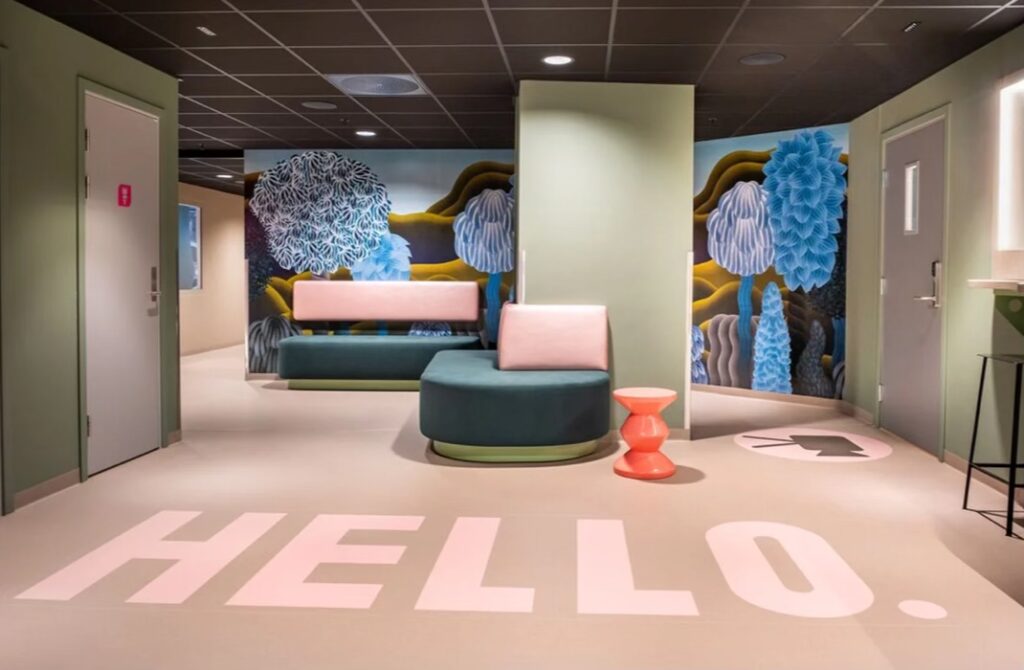
One of the strongest advantages of vinyl for wayfinding is design freedom. IDEAL FLOORS offers a wide range of customizable colors and patterns that allow facilities to create floor graphics without compromising safety or durability. Vinyl patterns can mark pathways, create waiting-area borders, or indicate restricted zones. In schools, bright colors and playful shapes make navigation enjoyable for children while maintaining order and flow.
Durability is another major benefit. Wayfinding must withstand heavy foot traffic, rolling carts, wheelchairs, trolleys, and daily cleaning. Vinyl flooring is engineered for high-traffic environments, maintaining clarity and color even after years of use. It also resists scratches, stains, and moisture—making it suitable for hallways, entrances, cafeterias, and multipurpose areas.
Vinyl wayfinding also enhances safety. Slip-resistant textures help prevent accidents, especially in areas where children or elderly individuals move frequently. Path markings can designate safe walking lanes, emergency exit routes, or “no-entry” zones. In medical and laboratory settings, vinyl zoning supports hygiene by separating clean areas from contaminated ones.
Installation is another advantage. Vinyl can be installed as continuous sheets or tiles, allowing seamless integration of directional markings. This eliminates gaps where dirt collects and ensures that floor graphics remain smooth and easy to sanitize. In large facilities, integrating wayfinding during installation reduces long-term costs compared to painting or replacing signage frequently.
From a design perspective, vinyl wayfinding also contributes to branding. Schools and institutions can incorporate their colors or logos into the flooring. Malls and offices can reinforce brand identity through coordinated palettes and motifs. This creates an environment that feels organized, professional, and visually consistent.
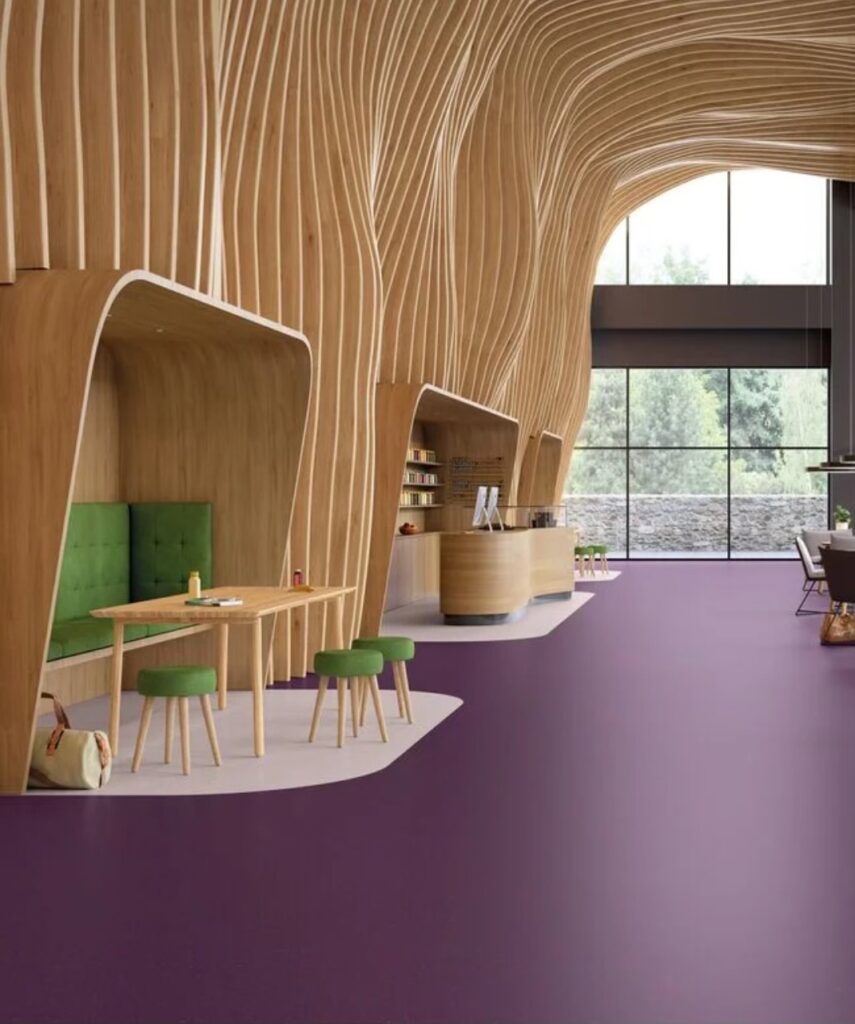
Sustainability is also addressed. Many modern vinyl products from IDEAL FLOORS are low-VOC and designed to enhance indoor air quality, making them suitable for long-term use in spaces with continuous human presence.
Whether guiding children in a school, supporting accessibility in a university, or improving customer flow in a large commercial complex, vinyl flooring serves as a practical and effective tool for wayfinding. Its combination of durability, design flexibility, safety, and hygiene makes it an ideal solution for facilities seeking smarter ground-level communication.
 English (United States)
  Arabic