
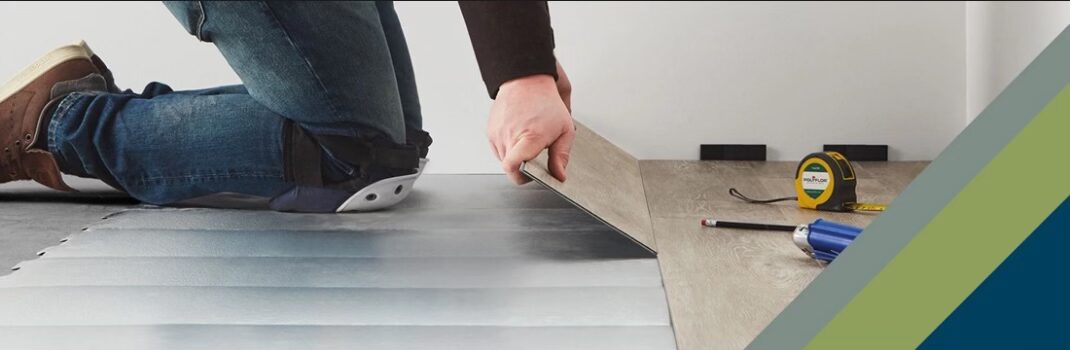
Vinyl flooring has become one of the most versatile and practical solutions for residential, commercial, and institutional spaces. Beyond its durability and modern designs, one of its biggest advantages is the variety of installation methods available. Each installation system offers unique benefits depending on the project’s requirements, traffic level, and subfloor conditions. Understanding these methods helps homeowners, contractors, and facility managers select the best flooring option for long-lasting performance.
1. Glue-Down Vinyl Installation
Glue-down vinyl is secured directly to the subfloor using a strong adhesive. This method is widely used in hospitals, schools, retail stores, and other high-traffic spaces.
It provides superior stability, prevents shifting under heavy loads, and ensures a smooth, seamless finish. Because the planks or sheets bond firmly to the surface, this system is recommended for large commercial areas where durability and long-term performance matter most.
2. Loose-Lay Vinyl Installation
This method uses specialized backing that grips the subfloor without adhesives. Only the perimeter may require minimal fixing.
Loose-lay vinyl is ideal for temporary installations, quick renovations, and spaces where flooring may need to be replaced or moved.
It is also appreciated for its simple maintenance and easy repairs: damaged pieces can be lifted and replaced without tools.
3. Click-Lock Vinyl Installation
Click-lock vinyl features interlocking edges that snap together like laminate flooring.
This floating system does not require glue, making installation faster and cleaner. It works well in homes, apartments, offices, and light-commercial areas. With proper underlayment, it also provides good sound reduction—especially useful in multi-story buildings.
4. Sheet Vinyl Installation
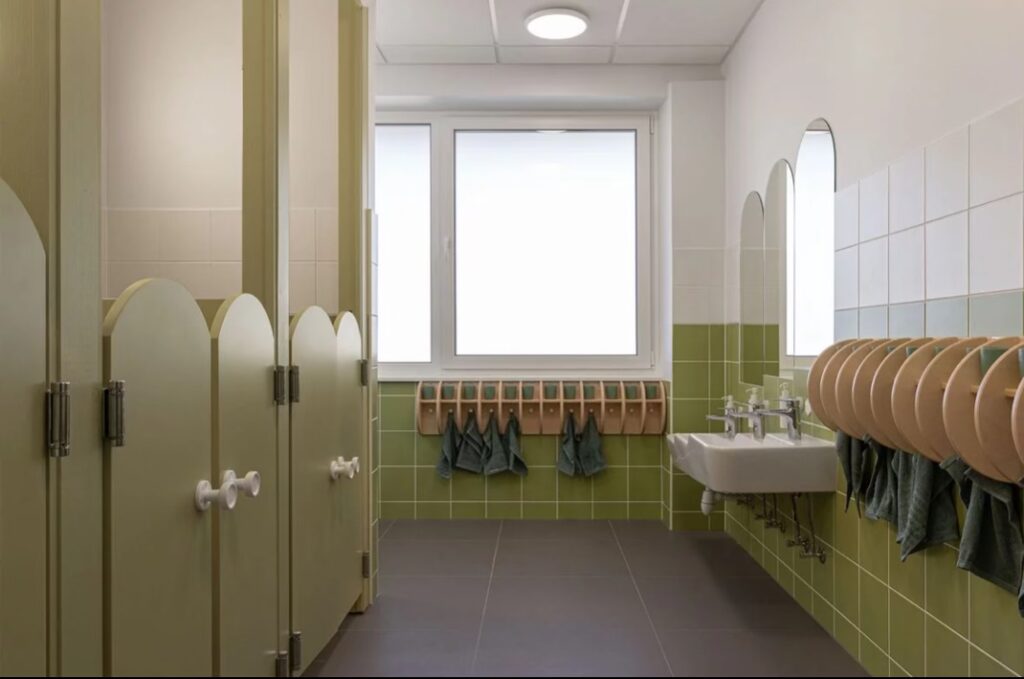
Sheet vinyl offers a continuous, seamless surface, making it an excellent choice for medical facilities, clean rooms, and schools.
Its installation requires precise cutting and heat-welding of seams to prevent bacteria buildup and ensure hygiene. This method delivers the best protection against spills and moisture, supporting safety in sensitive environments.
Choosing the Right Method
The ideal installation method depends on:
• traffic level
• moisture exposure
• subfloor conditions
• design requirements
• maintenance expectations
Selecting the right technique ensures that vinyl flooring performs reliably while preserving its aesthetic appeal.
 English (United States)
  Arabic