
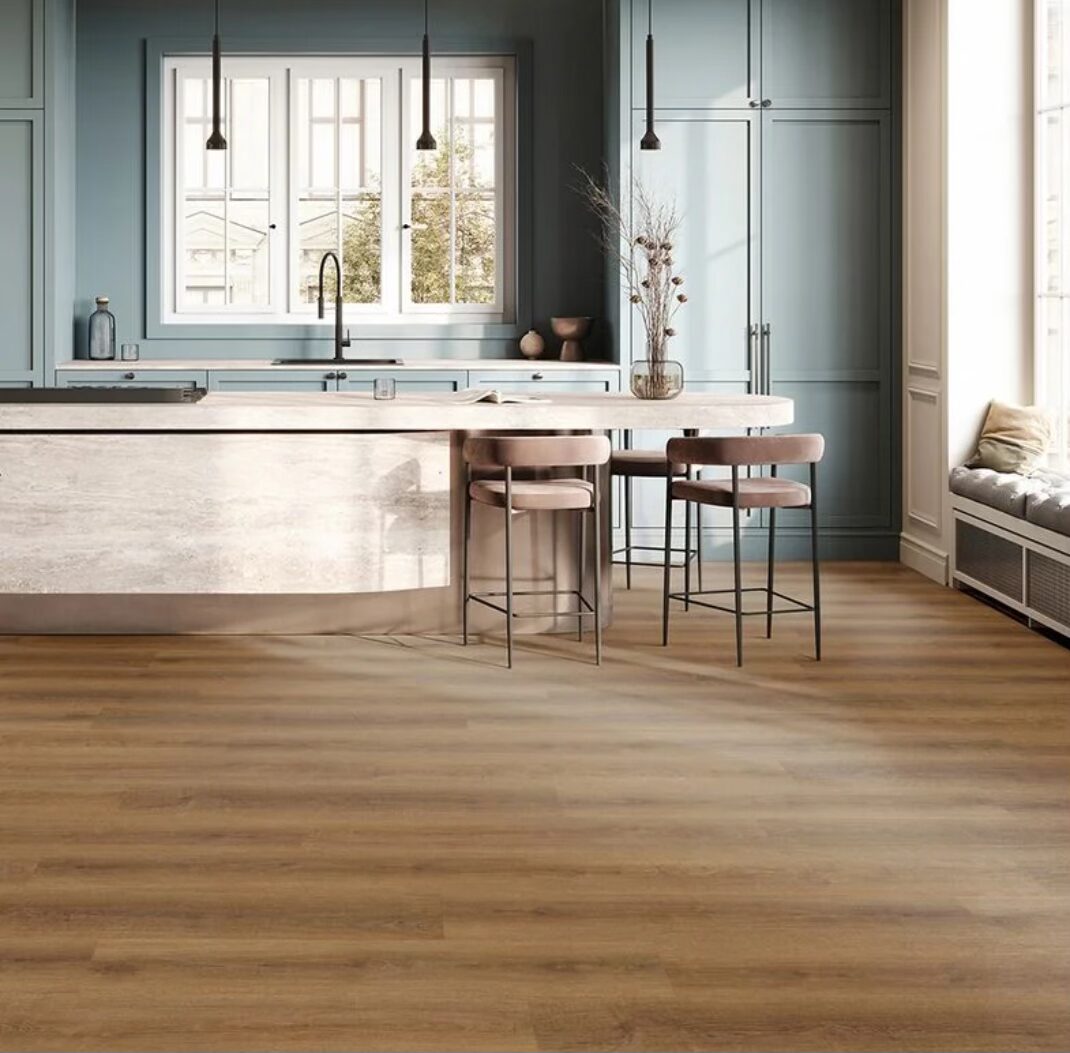
When choosing flooring for a kitchen, the material needs to handle moisture, heavy foot traffic, and frequent cleaning — all while keeping the space looking stylish and modern. Vinyl flooring has become one of the most popular solutions for kitchens because it combines durability, waterproof features, and attractive design in one product. Whether you’re renovating a small apartment kitchen or upgrading a large family cooking space, vinyl offers a reliable and long-lasting option.
Why Vinyl Works Perfectly in Kitchens
1. 100% Water-Resistant Surface
Kitchens are naturally exposed to spills, moisture, and humidity. Vinyl flooring is designed with a protective wear layer that prevents water from seeping into the surface. Even in areas around sinks or under appliances, vinyl stays stable and unaffected by moisture. This makes it safer than wood flooring and less fragile than ceramic tiles.
2. Comfortable Underfoot for Long Cooking Hours
Standing in the kitchen for extended periods can be tiring. Vinyl floors have a softer and slightly cushioned surface compared to tiles, reducing pressure on the feet and joints. This comfort makes vinyl particularly suitable for people who cook every day or spend long hours preparing meals.
3. Easy to Clean and Maintain
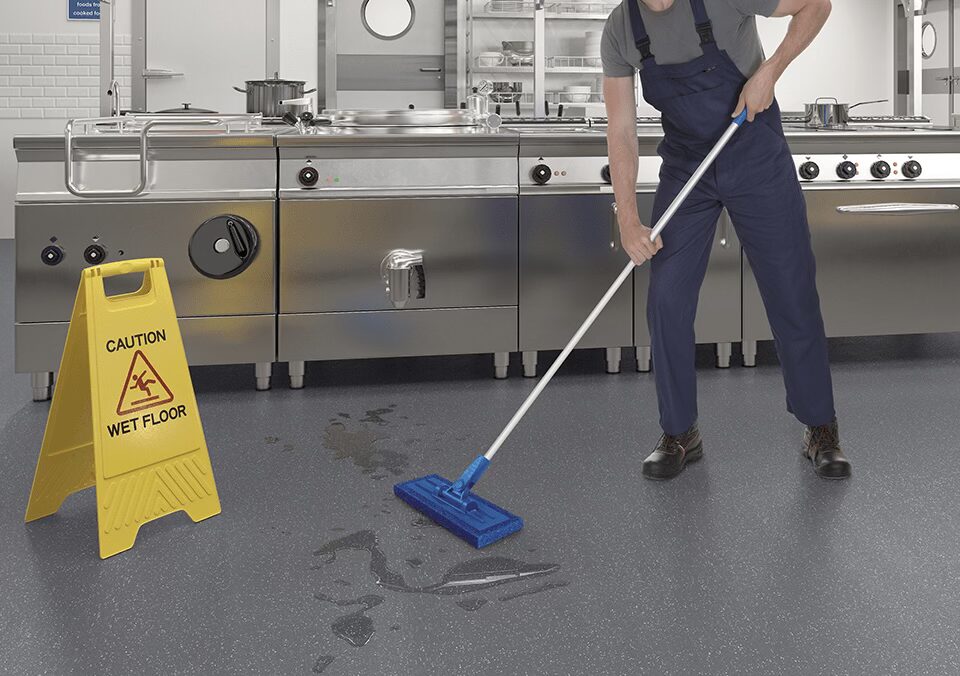
Kitchen floors face constant exposure to food drips, oil splashes, and crumbs. Vinyl flooring is extremely easy to maintain — usually all it needs is daily sweeping and occasional damp mopping. The surface doesn’t absorb stains, and cleaning takes only a few minutes. Heavy-duty chemical cleaners aren’t required, which helps preserve the floor’s lifespan.
4. Slip-Resistant Options for Safety
Many modern vinyl products include slip-resistant textures, making the kitchen safer for families, especially with children or elderly individuals at home. Even when the floor is damp, the textured finish helps maintain good grip underfoot.
Design Benefits: Beauty Meets Practicality
1. Wide Variety of Looks
Vinyl flooring comes in realistic designs that mimic natural wood, ceramic tile, or stone, offering a premium style without the cost or maintenance difficulty of real materials. For a modern kitchen, options like grey oak, matte stone, or concrete patterns create a sleek atmosphere. For classic homes, warm wood tones can add a cozy feel.
2. Seamless Installation for a Clean Aesthetic
Vinyl is available in multiple formats — sheets, planks (LVP), or tiles (LVT). Sheet vinyl can cover large kitchen areas with minimal seams, creating a smooth, clean look that also reduces the risk of dirt building between tiles. Planks and tiles, on the other hand, offer stylish patterns like herringbone or staggered wood layouts.
3. Suitable for Both Small and Large Kitchens
In smaller kitchens, light-colored vinyl makes the space look bigger and brighter. In larger kitchens, luxury vinyl planks can add depth and character to the overall design. Vinyl adapts well to different room sizes and styles.
Durability and Performance in Busy Kitchens
1. Scratch-Resistant and Impact-Resistant
Kitchens are high- traffic spaces where pots, pans, and utensils may fall unexpectedly. Vinyl’s protective layer helps prevent scratches and dents even in hectic households. This makes it a strong alternative to wood, which scratches easily, or tiles, which can crack.
2. Works Well With Temperature Changes
Some flooring materials expand when the kitchen gets hot or contract when it gets cold. Vinyl stays dimensionally stable, making it ideal for kitchens with ovens, sunlight exposure, or frequent temperature changes.
3. Compatible With Underfloor Heating
Many vinyl products work perfectly with underfloor heating systems, keeping the kitchen warm and comfortable during colder months without affecting the floor’s structure.
Installation Options for Kitchens
Vinyl can be installed using different methods depending on the type and kitchen conditions:
• Click-Lock Floating Installation: Great for quick kitchen renovations and DIY projects.
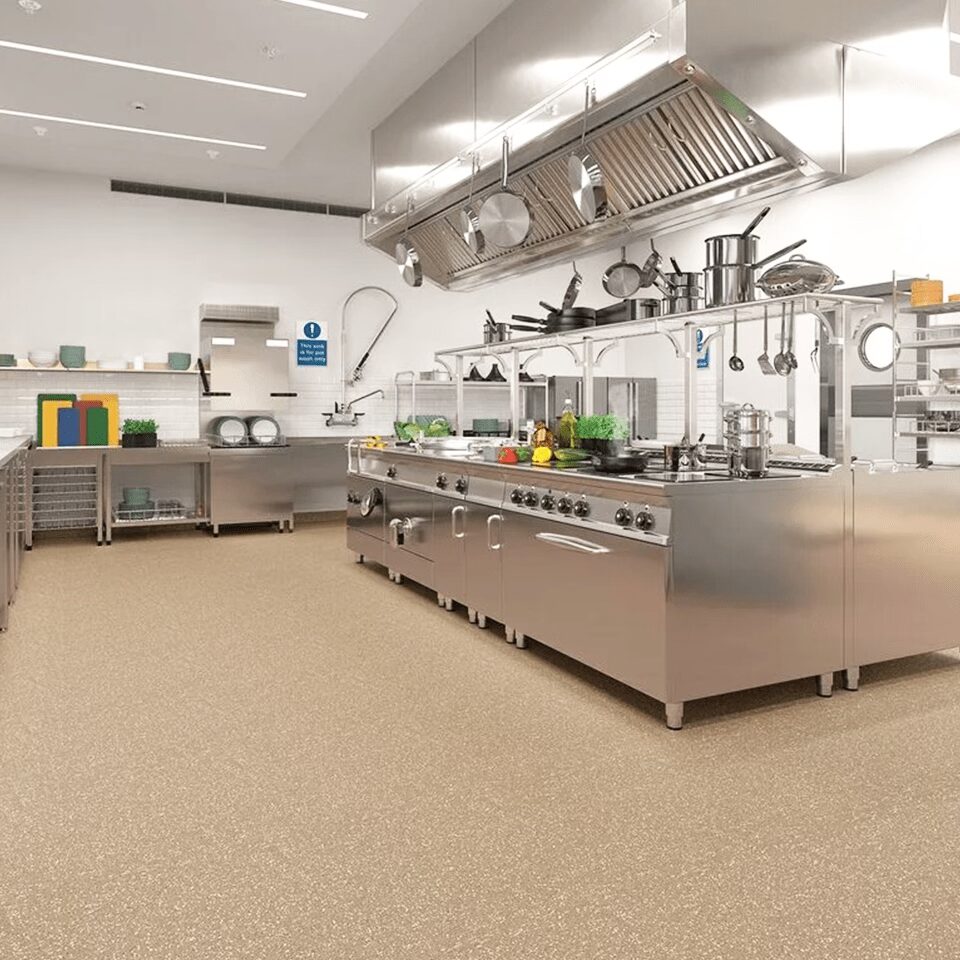
• Glue-Down Installation: Best for heavy-traffic kitchens or commercial food prep areas. Provides maximum stability.
• Sheet Vinyl Installation: Perfect for kitchens that need a seamless, easy-to-clean surface with minimal joints.
All methods require a clean, smooth, and level subfloor for the best results.
Why Vinyl Is a Smart Long-Term Investment for Kitchens
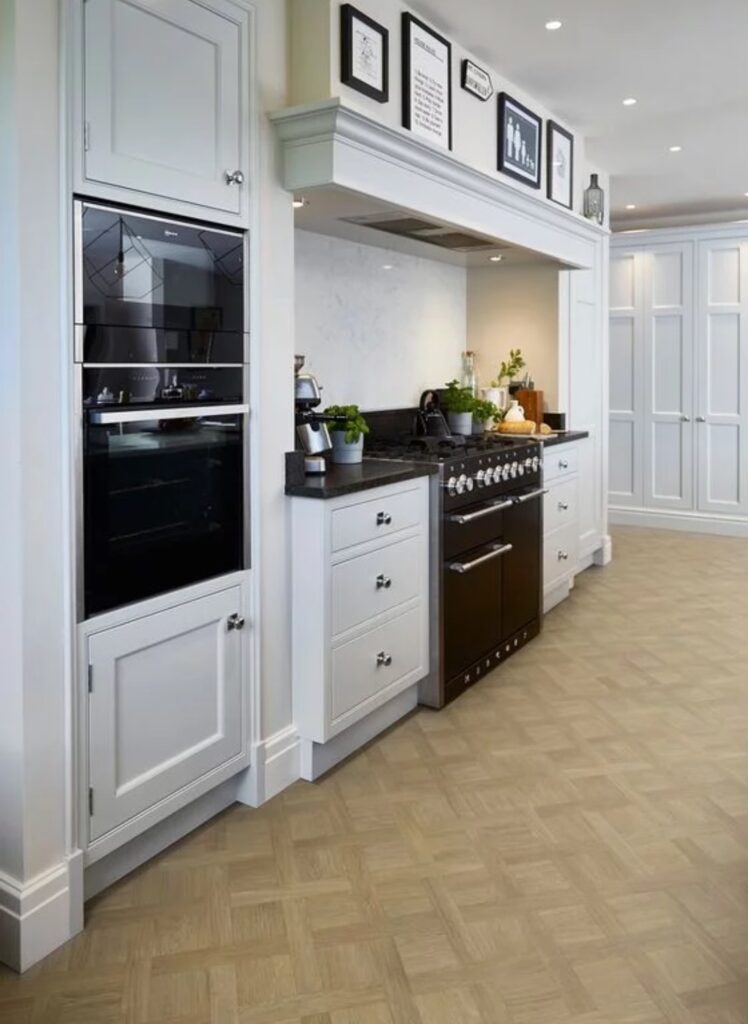
Choosing vinyl for kitchen flooring means choosing a material that offers:
• high resistance to water and stains
• durable performance under heavy daily use
• fast cleaning and low maintenance
• stylish designs at an affordable cost
• comfort and safety for family use
Whether the goal is practicality, style, or both — vinyl flooring provides a balanced and efficient solution that continues to grow in popularity among homeowners and designers.
 English (United States)
  Arabic